
The Fan Engagement Algorithm. Predicting What Your Fans Want Next
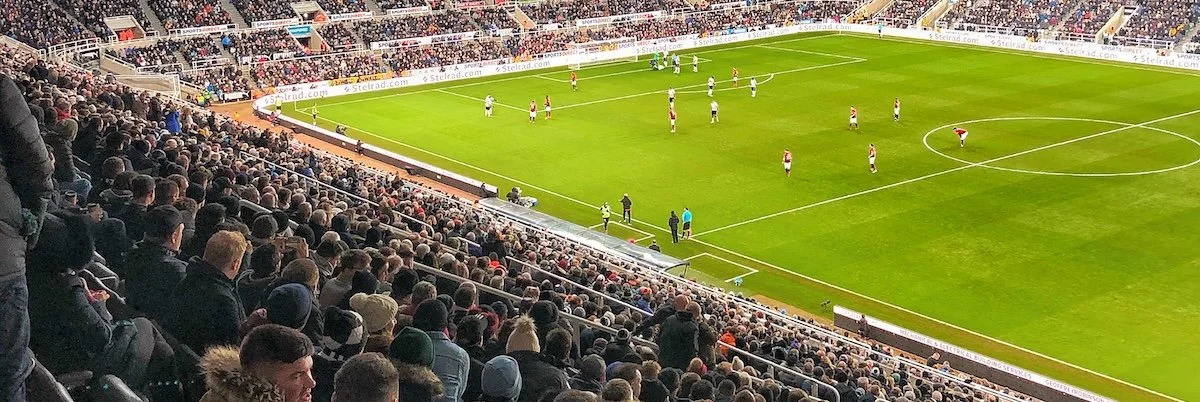
Working closely with schools, clubs, leagues, and partners over the years has taught me that fan engagement is rooted in anticipation. Fans lean in before the big play because they believe something is about to happen. That sense of possibility is what makes sports electric.
What has become clear is that digital behavior mirrors that same feeling. Fans now expect teams to anticipate their needs with the same intensity. They expect us to understand what they enjoy, what they will respond to, and what they want next. It is both a responsibility and an opportunity.
This is where predictive fan engagement truly begins.
Moving from reaction to prediction
For a long time, our industry has operated in a reactive cycle. We launch a campaign. Fans respond. We analyze. Then we adjust the next initiative based on what we already saw. It works, but it often misses the speed and fluidity of how fans behave online.
Predictive engagement changes the rhythm. Instead of waiting for fans to act, we learn to read the signals that reveal intent. When first-party data is combined with interaction patterns and timing behavior, early indicators start to appear. It becomes less about guessing and more about listening with purpose.
Why predictive behavior matters now
Teams that embrace prediction gain a meaningful advantage. They can refine their timing, personalize messaging, and shape offers in ways that feel natural rather than generic. When a fan consistently engages with themed nights or sponsor-driven contests, that is not random. It is a signal. The more signals you recognize, the more relevant your outreach becomes.
At FanCompass, we have seen predictive insights help organizations sharpen their strategies in ways that align with their communities. It is especially valuable for teams with leaner staffing or tighter budgets because it focuses energy where it has the most impact.
A closer look. El Paso Chihuahuas
One example that has stayed with me is the El Paso Chihuahuas in the Pacific Coast League. They are a community-driven team with a devoted fan base that engages both in person and online.
When they began using more structured digital activations, a pattern appeared in their data. Fans who participated in local partner-sponsored contests often showed higher engagement with follow-up offers tied to the same partner. It wasn’t dramatic at first, but it was consistent.
The team decided to lean into that insight. They structured their activations in a sequence. First came an interactive experience featuring a regional business. Then came a merch or ticket offer that continued the same partner story. Over time, engagement rose and partner value became even clearer, strengthening renewal conversations.
What stood out wasn’t just the lift in numbers. It was how the Chihuahuas used data to deepen a sense of community. Prediction gave them clarity, but the heart of the strategy still came from understanding their fans.
The heart behind the algorithm
Predictive engagement doesn’t replace intuition. It enhances it. The strongest results come when data and creativity work together. Algorithms help us recognize patterns we might otherwise miss, but the spirit of the work still comes from the people who know their communities best.
Looking ahead
The next era of sports engagement will belong to organizations willing to look forward instead of backward. Fans are already signaling what they want. Predictive intelligence simply helps us listen more closely and respond with intention.